
| No. | Service | Description |
| 1 | HSE Management System Design | Developing a complete health, safety, and environment management system appropriate to the organization’s size, sector, and risk profile. Covers policy framework, responsibilities, procedures, monitoring, and review mechanisms. |
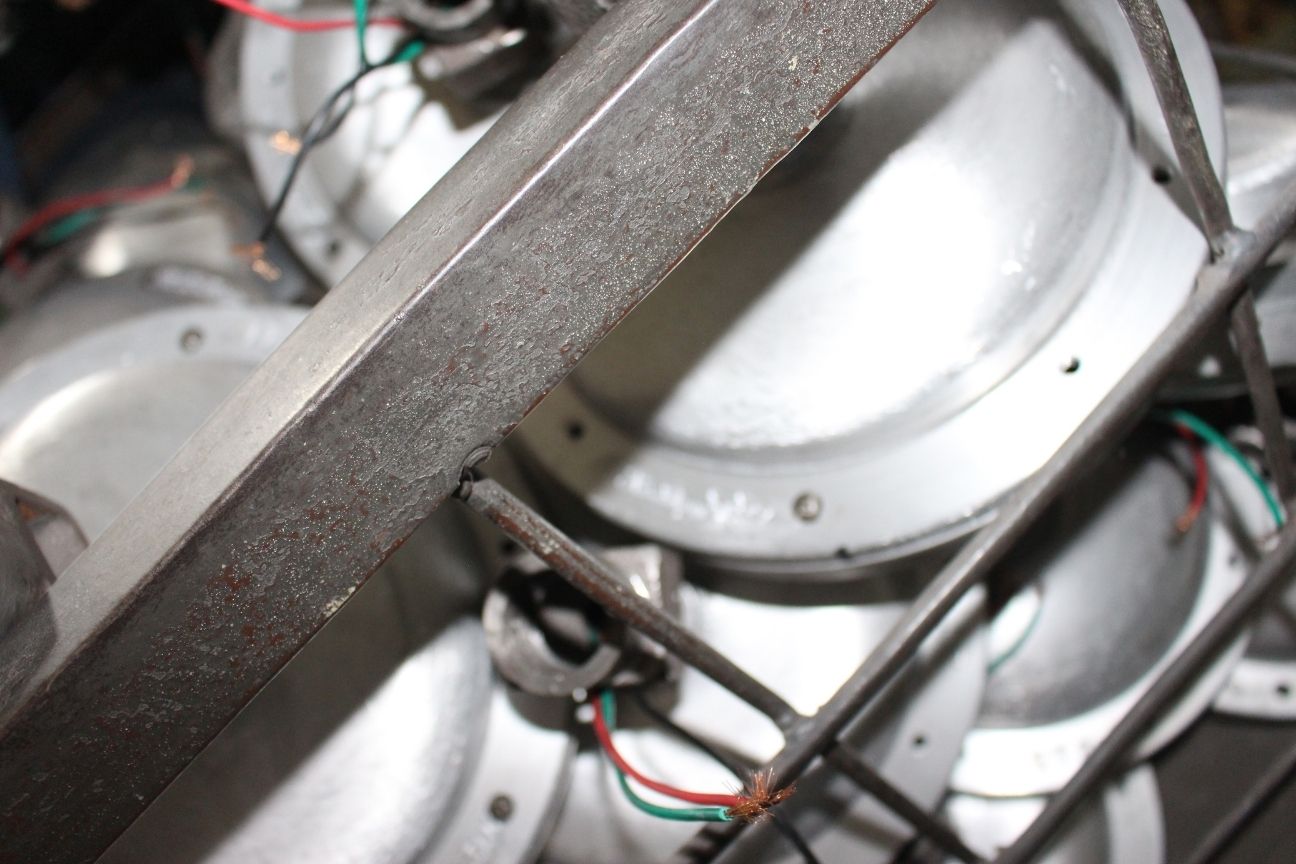
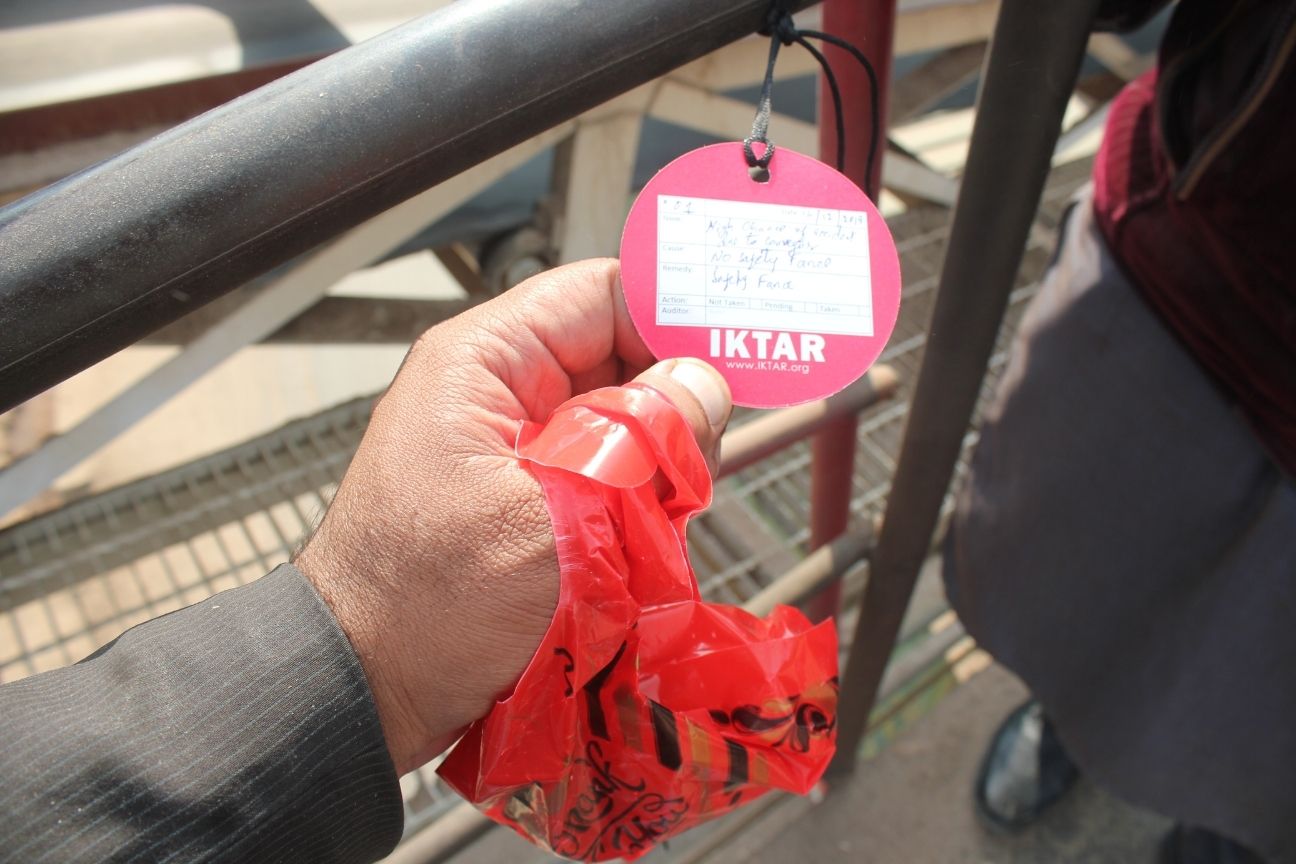
| 2 | Hazard Identification and Risk Assessment | Systematic workplace walkthrough and documentation of physical, chemical, ergonomic, and behavioral hazards. Risk matrix development and prioritized risk reduction recommendations calibrated to what is actually achievable in the organization’s operating environment. |
| 3 | OSHA Compliance Audit | Assessment of the organization’s current safety practices against OSHA standards with a detailed compliance gap report, prioritized by risk level, that gives management a clear picture of where legal and operational exposure sits. |
| 4 | Safety Policy and Procedure Development | Writing or reviewing workplace safety policies, emergency response procedures, permit-to-work systems, chemical handling protocols, and incident reporting and investigation procedures. |
| 5 | Safety Culture Development | Facilitated sessions with management and supervisory teams to build the behavioral safety culture that makes safety ownership a line management responsibility rather than a sole HSE department function. |
| 6 | Incident Investigation and Root Cause Analysis | Post-incident investigation to identify the root causes, both immediate and systemic, with specific preventive actions that address the cause rather than the symptom, and a written investigation report suitable for regulatory or insurance purposes. |
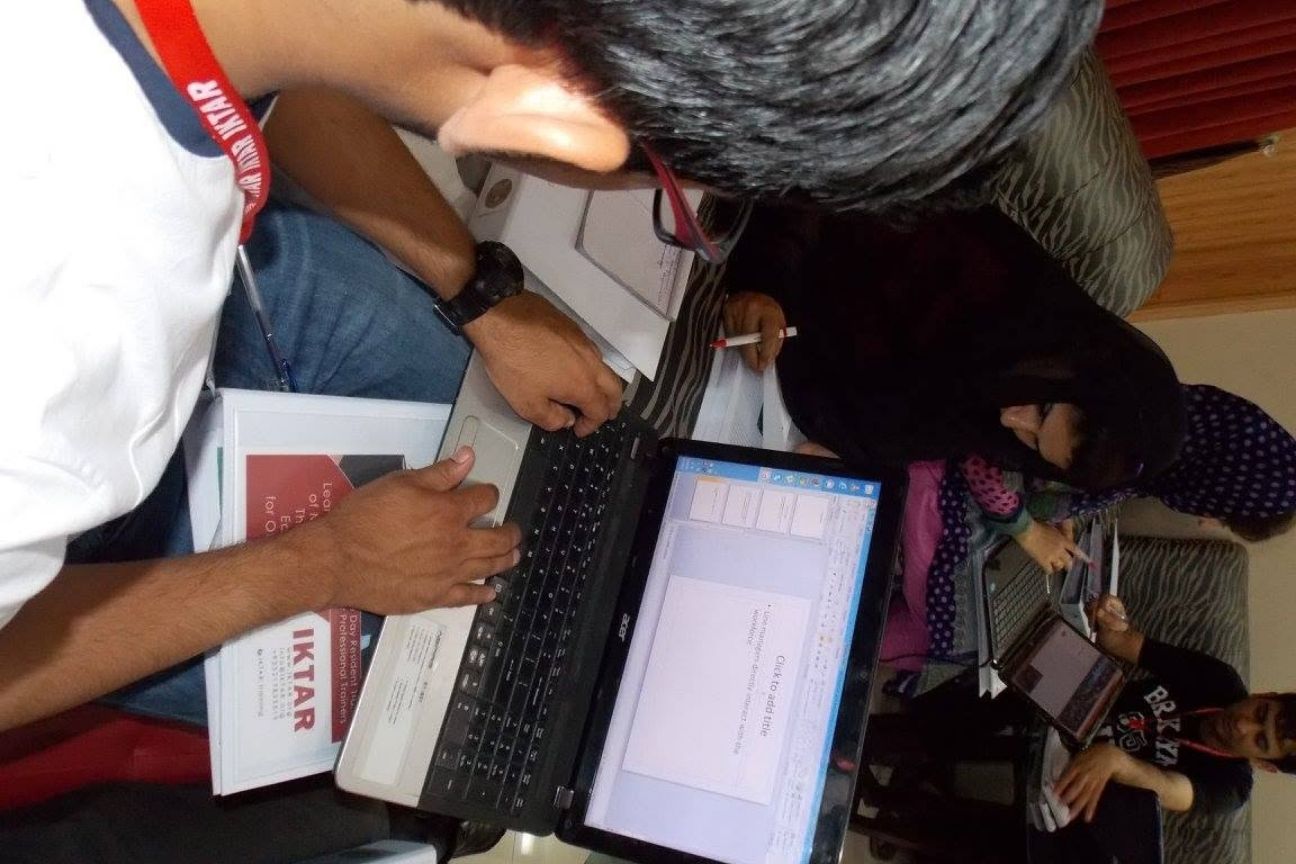
| 7 | Safety Training for Supervisors and Staff | Practical workplace safety training for production supervisors, safety officers, and frontline staff covering hazard recognition, emergency response, PPE use, and behavioral safety principles. |
A workplace accident is never just a human cost. It is a management failure that was waiting to happen. Every incident I have investigated in 25 years of consulting across Pakistani manufacturing had a precursor that somebody saw and nobody acted on. The system was absent, or the culture punished reporting, or the supervisor did not feel empowered to stop production for a safety concern. Building a genuinely safe workplace means addressing all three simultaneously, not just writing a policy that covers the organization legally while leaving the actual risk unchanged.
Shafqat Jilani | Founder, IKTAR | Certified Master Trainer | Author of The Science of Workplace Happiness
FREE DIAGNOSTIC TOOL
Not Sure Where Your Business Needs the Most Attention?
IKTAR 360° Business Health Scan evaluates your organization across five critical pillars and produces a prioritised action plan in minutes. Used by business owners and managers across Pakistan as the starting point for every serious improvement effort.
What the 360 Audit Covers
























ISO Certification
ISO 45001 Health and Safety and ISO 14001 Environmental certifications that build directly on IKTAR’s HSE system design work.
Productivity Enhancement
When safety improvements are part of a broader operational efficiency initiative that addresses production downtime caused by incidents and near-misses.
Business Troubleshooting
When workplace safety incidents are a symptom of deeper management, supervisory, or organizational culture problems that require a broader diagnostic.